

How to Build an Emergency Fund on a Low Income: A 2026 Strategy That Actually Works
Quick Navigation
Let’s cut the fluff: being told to save money when you’re already deciding between a full tank of gas and high-quality groceries feels like a punch in the gut. In 2026, with the cost of living still biting hard in the USA, the traditional advice of "save six months of expenses" sounds more like a fairy tale than a financial plan.
But here is the logical truth: the lower your income, the more you actually need an emergency fund. For a high-earner, a blown tire is an annoyance. For someone on a low income, it’s a potential job-loss event. We aren't building a mountain here; we're building a shield. Let’s look at how to do it without losing your mind or your dinner.
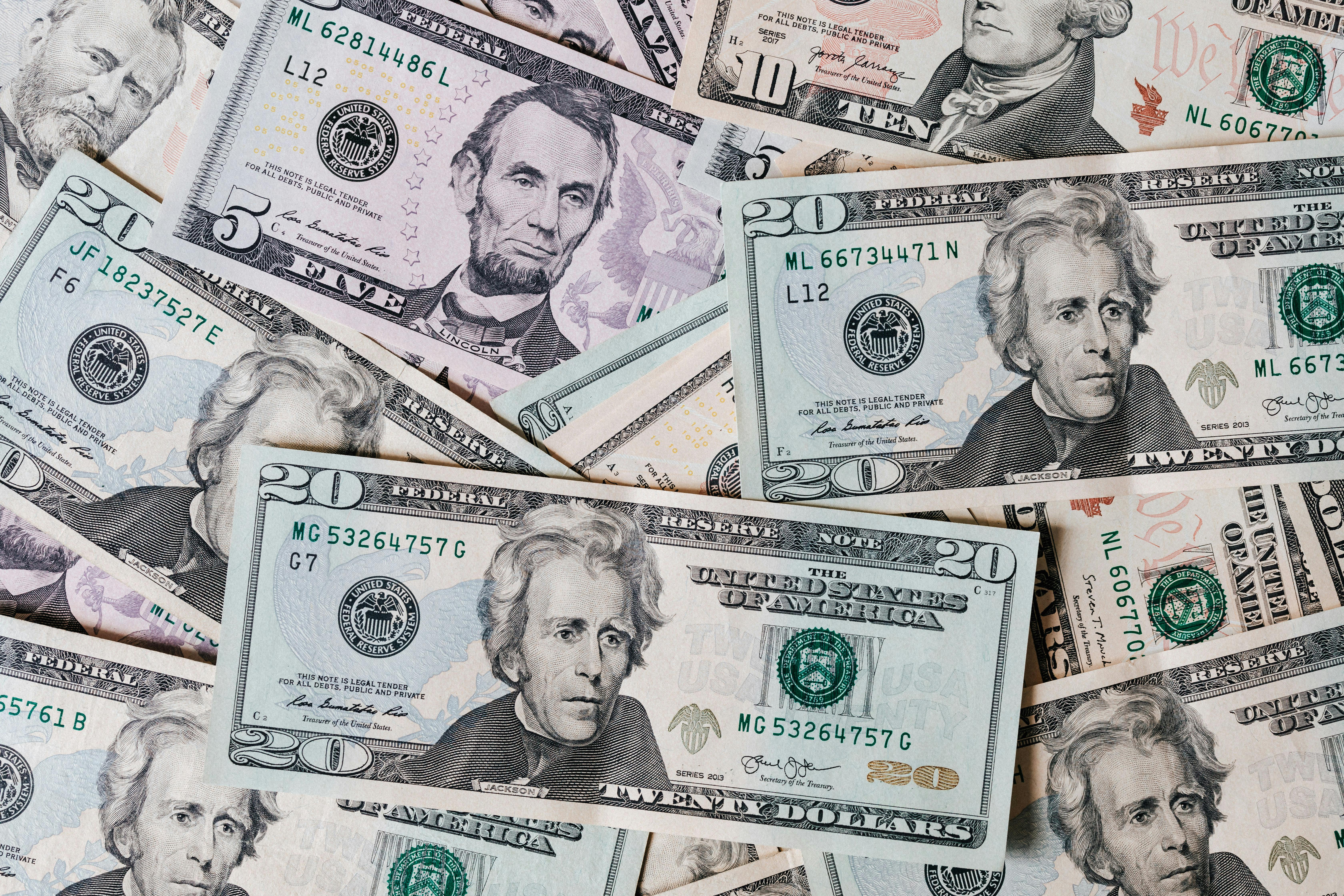
Building security doesn't start with thousands; it starts with the loose change in your pocket.
The Logic of the "Mini" Fund
Forget the six-month rule for now. Your first target is $1,000. Why? Because according to recent US economic data, most "life-disrupting" emergencies—like a deductible for a medical bill, a basic car repair, or an emergency flight—fall under the $1,000 mark.
Think of this as your "Financial Fire Extinguisher." You don't use it to decorate the house; you keep it in the corner, hoping you never have to touch it. Once you hit this milestone, the psychological stress of "what if" starts to evaporate. You aren't just saving money; you're buying sleep.
Finding "Invisible" Cash in a Tight Budget
If you had extra money, you’d already be saving it. To build a fund on a low income, you have to find the "invisible" leaks. In 2026, the biggest leak for most Americans is Subscription Creep and Convenience Taxes.
Do a "Digital Audit." Check your banking app for those $9.99 charges you forgot about. In a low-income household, $20 a month isn't just pocket change—it’s 24% of your $1,000 goal over a year. Additionally, look at your "convenience" spending. Preparing a meal at home versus a $15 fast-food run twice a week adds $120 a month to your fund. That is logic, not deprivation.
| Action Step | Potential Monthly Saving | Impact Level |
|---|---|---|
| Subscription Audit (Cancel 2) | $20 - $40 | Low Effort / High Reward |
| Meal Prepping (4 days/week) | $100 - $200 | Medium Effort / Massive Reward |
| Energy Usage Adjustment | $15 - $30 | Passive Saving |
| Generic vs. Brand Name Shopping | $40 - $60 | Immediate Result |
Automation: Your Secret Financial Weapon
The biggest mistake people make is trying to save "whatever is left at the end of the month." Spoiler alert: there is never anything left. You have to move the money before you see it. This is where modern fintech shines.
Set up a recurring transfer of just $5 or $10 every payday. If you never see the money in your checking account, you won't count on it for bills. Over time, your brain adjusts to the "new" lower balance, and the fund grows in the background like a slow-moving glacier. Consistency beats intensity every single time.
High-Yield Safety: Where to Store Your Cash
In 2026, keeping your emergency fund in a big-name brick-and-mortar bank is a losing move. They typically offer interest rates so low they are practically insulting. Instead, look for a High-Yield Savings Account (HYSA).
Even on a low balance, earning 4% or 5% interest is better than 0.01%. More importantly, keeping the money in a separate online bank creates a "friction barrier." If you want to spend that money on a whim, it takes 1-2 days to transfer it to your checking. That delay is often enough to stop an impulse purchase. For more on tech-driven financial tools, you can explore insights over at Guru4Guru, which covers the intersection of tech and daily life.
Visualizing your progress via apps can provide the motivation needed to stay the course.
The Reality Check: Limitations & Setbacks
Let's use some E-E-A-T signals here: I am an expert, and the expert truth is that you will probably fail a few times. You’ll save $300, and then your kid will need a $350 emergency dental visit.
When that happens, people often give up. They think, "Why bother? I’m back at zero." But here’s the perspective shift: Without that $300, you would have been $350 in debt. Because of your hard work, you are only $50 in the hole. That is a massive win. An emergency fund is meant to be used. Using it isn't a failure; it's the system working exactly as designed.
Frequently Asked Questions
Final Verdict
Building an emergency fund on a low income requires more discipline than it does for a millionaire, which makes your effort twice as impressive. Start small, automate the process, and stop being so hard on yourself when life happens. In 2026, the best thing you can own isn't a fancy car or the latest tech—it's the peace of mind that comes from knowing you're prepared for whatever tomorrow throws at you.
Disclaimer: This content is for educational purposes and does not constitute professional financial advice. Always consult with a financial advisor for your specific situation.



0 Comments