

How to Meal Prep for Weight Loss Without Getting Bored
If you want to learn how to meal prep for weight loss without getting bored, the secret is not eating the same plain meal every day. The better approach is building flexible meals with protein, fiber-rich carbohydrates, colorful vegetables, healthy fats, and flavor boosters you can rotate through the week.

Meal prep should make healthy eating easier, not make food feel like punishment. With the right system, you can save time, reduce random snacking, manage portions more calmly, and still enjoy meals that taste different from Monday to Friday.
Quick Answer
To meal prep for weight loss without getting bored, prepare flexible ingredients instead of identical meals. Batch-cook proteins, grains, vegetables, and sauces separately, then mix them into different bowls, wraps, salads, soups, and plates throughout the week. Keep portions balanced, add flavor variety, and store food safely.
Key Takeaways
- Prep ingredients, not just fixed meals, so you can create variety fast.
- Use the plate method: vegetables, protein, high-fiber carbs, and healthy fats.
- Rotate sauces, herbs, spices, and textures to prevent meal fatigue.
- Cook for 3–4 days at a time or freeze extras for safer storage.
- Avoid extreme restriction because it often makes meals harder to sustain.
- Use internal planning tools like a grocery list, menu map, and leftovers plan.

Table of Contents
What Meal Prep for Weight Loss Really Means
Meal prep for weight loss means planning and preparing meals in a way that supports a healthy eating pattern and makes portions easier to manage. It does not mean eating tiny portions, skipping meals, or forcing yourself to eat bland food.
A balanced meal usually includes vegetables or fruit, protein, high-fiber carbohydrates, and a small amount of healthy fat. This approach matches the general pattern recommended by trusted health organizations that emphasize fruits, vegetables, whole grains, protein foods, and limited added sugars, sodium, and saturated fats.
The practical goal is simple: make the better choice easier before hunger, stress, or a busy schedule takes over. For a deeper planning system, you can also use this related guide on how to meal plan alongside your weekly prep routine.
Smart rule: Prep building blocks. A container of roasted vegetables, cooked chicken or tofu, rice or quinoa, and two sauces can become several different meals.
Why Meal Prep Gets Boring
Most people get bored because they prep finished meals instead of flexible parts. Five identical containers may look productive on Sunday, but by Wednesday the same flavor, texture, and smell can feel tiring.
Boredom also happens when meals are too restrictive. If your plan removes every food you enjoy, you may follow it for a few days and then swing back to random eating. A better plan gives structure without making every meal feel controlled.
Here are the main causes of meal-prep boredom:
- Using only one protein all week
- Cooking everything with the same seasoning
- Skipping sauces, herbs, acids, and crunch
- Making meals too low in calories to feel satisfying
- Ignoring cultural foods and personal taste
- Preparing too much food at once, then wasting leftovers
How to Meal Prep for Weight Loss Without Getting Bored
Step 1: Pick Two Proteins, Not One
Protein helps meals feel more satisfying, but eating the same protein every day can make prep feel dull. Choose two options each week. For example, use chicken and beans, eggs and tuna, tofu and lentils, or yogurt and grilled fish.
If you eat mostly plant-based meals, combine beans, lentils, tofu, tempeh, chickpeas, edamame, Greek-style yogurt, or eggs if they fit your diet. The goal is variety, not perfection.
Step 2: Choose One or Two High-Fiber Carbs
Carbohydrates are not the enemy. The smarter move is choosing higher-fiber options that help meals feel complete. Brown rice, oats, potatoes, sweet potatoes, whole-grain wraps, quinoa, barley, beans, and whole-grain pasta can all work.
Use portions that fit your needs and activity level. If you are unsure, a registered dietitian can help you personalize your plate without guessing.
Step 3: Prep Vegetables in Different Textures
Texture keeps meals interesting. Instead of prepping only steamed vegetables, try a mix of roasted vegetables, raw crunchy vegetables, leafy greens, pickled onions, salsa, or slaw.
The World Health Organization and NHS both emphasize eating a variety of fruits and vegetables. Variety also makes your containers look better, which matters more than people admit.
Step 4: Make Three Flavor Routes
This is the boredom killer. Keep the same base ingredients, then change the flavor route. One bowl can taste Mediterranean with lemon, yogurt, cucumber, and herbs. The next can taste spicy with chili, lime, and salsa. Another can become Asian-inspired with ginger, garlic, soy-style sauce, and sesame.
Try this simple rotation:
- Fresh route: lemon, parsley, cucumber, yogurt sauce
- Spicy route: chili flakes, salsa, lime, roasted peppers
- Warm route: curry powder, lentils, rice, roasted vegetables
- Crunch route: cabbage, carrots, seeds, light dressing
Step 5: Prep for 3–4 Days, Then Refresh
Food safety matters. The USDA says leftovers can generally be kept in the refrigerator for 3 to 4 days, and the FDA recommends cooling large amounts of leftovers quickly in shallow containers. That means a smart meal prep routine often works better in two mini-sessions instead of one giant weekly session.
For example, prep Sunday for Monday through Wednesday. Then do a quick refresh Wednesday night for Thursday and Friday. This keeps food fresher and gives you a chance to change flavors.
| Prep Item | Best Use | Anti-Boredom Upgrade | Storage Tip |
|---|---|---|---|
| Cooked protein | Bowls, wraps, salads, soups | Split into two seasonings | Refrigerate in shallow containers |
| Whole grains or potatoes | Meal base | Use rice one day, wrap the next | Cool quickly before storing |
| Vegetables | Volume, color, fiber | Mix roasted, raw, and pickled textures | Keep wet sauces separate |
| Sauces | Flavor variety | Make two or three small jars | Label with prep date |
| Snacks | Prevent random grazing | Pair protein with fruit or vegetables | Pre-portion when useful |
Helpful Video: Simple Healthy Eating Prep
This Mayo Clinic recipe-prep video adds a visual example of how small weekend tasks can support healthier eating during the week.
The Mix-and-Match Meal Prep Formula
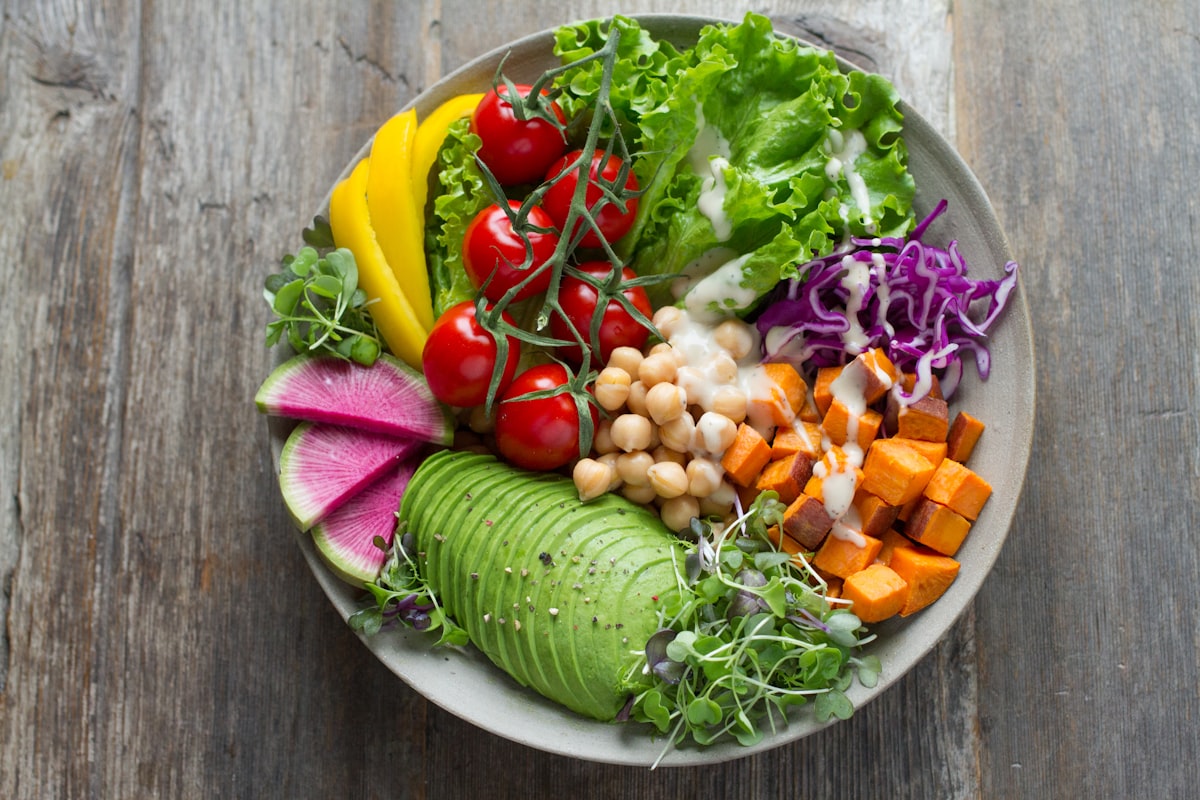
Use this formula when you do not want to eat the same thing every day:
- 1 protein: chicken, tofu, fish, eggs, beans, lentils, yogurt, or lean meat
- 1 fiber-rich carb: oats, rice, quinoa, potatoes, whole-grain bread, or beans
- 2 vegetables or fruits: one cooked and one fresh when possible
- 1 flavor booster: sauce, herbs, spices, salsa, lemon, vinegar, or pickles
- 1 texture: seeds, nuts, crunchy vegetables, roasted chickpeas, or slaw
For example, grilled chicken, rice, and roasted vegetables can become a lemon herb bowl on Monday, a spicy wrap on Tuesday, and a soup-style bowl on Wednesday. Same prep, different experience.
If emotional eating makes planning harder, pair this guide with practical support from how to stop emotional eating. Meal prep works best when it supports your routine, not when it becomes another source of pressure.
Common Mistakes to Avoid
1. Making Every Meal Identical
Identical containers look organized, but they often create boredom. Prep ingredients separately so you can change the final meal in minutes.
2. Cutting Food Too Aggressively
Very restrictive meal prep can backfire. Instead of making meals tiny, make them balanced and satisfying. General health guidance favors sustainable patterns over quick fixes.
3. Forgetting Sauces and Seasoning
Plain food gets old fast. Keep sauces light but flavorful. Lemon, vinegar, herbs, chili, garlic, ginger, mustard, yogurt, and salsa can change a meal without much effort.
4. Ignoring Food Safety
Do not leave cooked food sitting out for long periods, and do not stretch leftovers beyond safe storage guidance. Cool food quickly, refrigerate promptly, and freeze extras if needed.
5. Shopping Without a Plan
A random grocery haul often turns into waste. Before shopping, choose two proteins, two carbs, three vegetables, two sauces, and two easy snacks.
6. Not Planning Enjoyment
If your meals do not taste good, you will not repeat the system. Build in foods you actually like. A healthy routine should feel livable.
Practical Meal Prep Checklist
- Choose 3–4 days to prep for, not necessarily the whole week.
- Pick two proteins for variety.
- Choose one or two fiber-rich carbs.
- Add at least three colorful vegetables or fruits.
- Make two sauces or flavor routes.
- Store sauces separately to protect texture.
- Label containers with the prep date.
- Freeze extra portions before they lose freshness.
- Keep one emergency meal ready for busy days.
- Review what you enjoyed before planning next week.
A simple system beats a perfect plan. You can start with just two lunches and two dinners. Once that feels easy, build from there. For more foundational ideas, see this related guide on how to meal prep.
What This Guide Can and Can’t Do
This guide gives general meal-prep education for adults and broad healthy-eating support. It does not diagnose, treat, or prescribe a diet. Weight goals vary based on age, health history, activity level, culture, budget, and medical needs. If you have diabetes, an eating disorder history, pregnancy, digestive disease, food allergies, or any medical condition, speak with a qualified health professional before changing your diet.
The point is not to chase extreme results. The point is to make balanced meals easier to repeat. When meal prep feels flexible, flavorful, and safe, it becomes much easier to keep going.
FAQs
Can meal prep help with weight loss?
Meal prep can help with weight management because it makes balanced meals easier to choose when you are busy. It may also reduce impulse eating, but results depend on your overall eating pattern, activity, sleep, stress, and health needs.
How do I meal prep without eating the same thing every day?
Prep ingredients instead of complete identical meals. Cook proteins, grains, vegetables, and sauces separately, then combine them into bowls, wraps, salads, soups, and plates with different seasonings.
How many days should I meal prep at once?
For many cooked meals, 3–4 days is a practical refrigerator window. If you want to prep more, freeze extra portions and refresh fresh ingredients midweek.
What foods are best for weight-loss meal prep?
Useful options include vegetables, fruits, beans, lentils, eggs, yogurt, tofu, fish, poultry, whole grains, potatoes, and healthy fats in moderate amounts. The best foods are the ones you enjoy and can repeat safely.
Do I need to count calories?
Not everyone needs to count calories. Some people do well with the plate method, portion awareness, and consistent meal planning. If you need personalized targets, ask a registered dietitian or qualified healthcare professional.
What sauces are good for healthy meal prep?
Good options include yogurt herb sauce, salsa, lemon vinaigrette, tahini lemon sauce, mustard dressing, tomato-based sauce, chili lime dressing, and garlic ginger sauce. Keep portions reasonable and store sauces separately.
Is meal prep safe for everyone?
Meal prep is generally safe when food is cooked, cooled, stored, and reheated properly. People with medical conditions, pregnancy, immune concerns, or special diets should ask a qualified professional for personalized advice.
Final Thoughts
Learning how to meal prep for weight loss without getting bored comes down to flexibility. Do not trap yourself in five identical containers. Build a small weekly system with balanced ingredients, safe storage, and flavor variety.
Start with two proteins, one or two high-fiber carbs, several colorful vegetables, and a few sauces. Then mix, match, taste, adjust, and repeat. The best meal prep plan is not the strictest one. It is the one you can actually enjoy again next week.



0 Comments