

How to Manage Anxiety Before a Job Interview: Your 2026 Calm Guide
We’ve all been there. Your palms are sweating like you’ve just run a marathon, your heart is drumming a techno beat against your ribs, and suddenly you’ve forgotten your own middle name. Welcome to the world of job interview anxiety. In a 2026 economy where high-stakes roles demand both technical skill and emotional intelligence, learning how to manage anxiety before a job interview is a career-defining superpower.
Anxiety isn't your enemy; it's just your brain's "protection mode" firing off at the wrong time. This guide combines biological hacks, logical preparation, and modern psychological tools to help you walk into that room—or Zoom call—feeling like the expert you actually are. Let’s dismantle the fear and replace it with a strategy.
Navigation Menu
The Biology of Fear: Why Your Brain Panics
To fix the feeling, you have to understand the source. When you perceive an interview as a threat to your livelihood, your amygdala—the brain's alarm system—triggers the "fight or flight" response. Cortisol and adrenaline flood your system. Evolutionarily, this was great for outrunning a tiger. For explaining your experience with Python or project management? Not so much.
Logic dictates that you cannot "think" your way out of a biological flood. You have to use your body to signal your brain that you are safe. This is where physical grounding techniques come into play. By controlling your physiology, you regain control of your psychology.
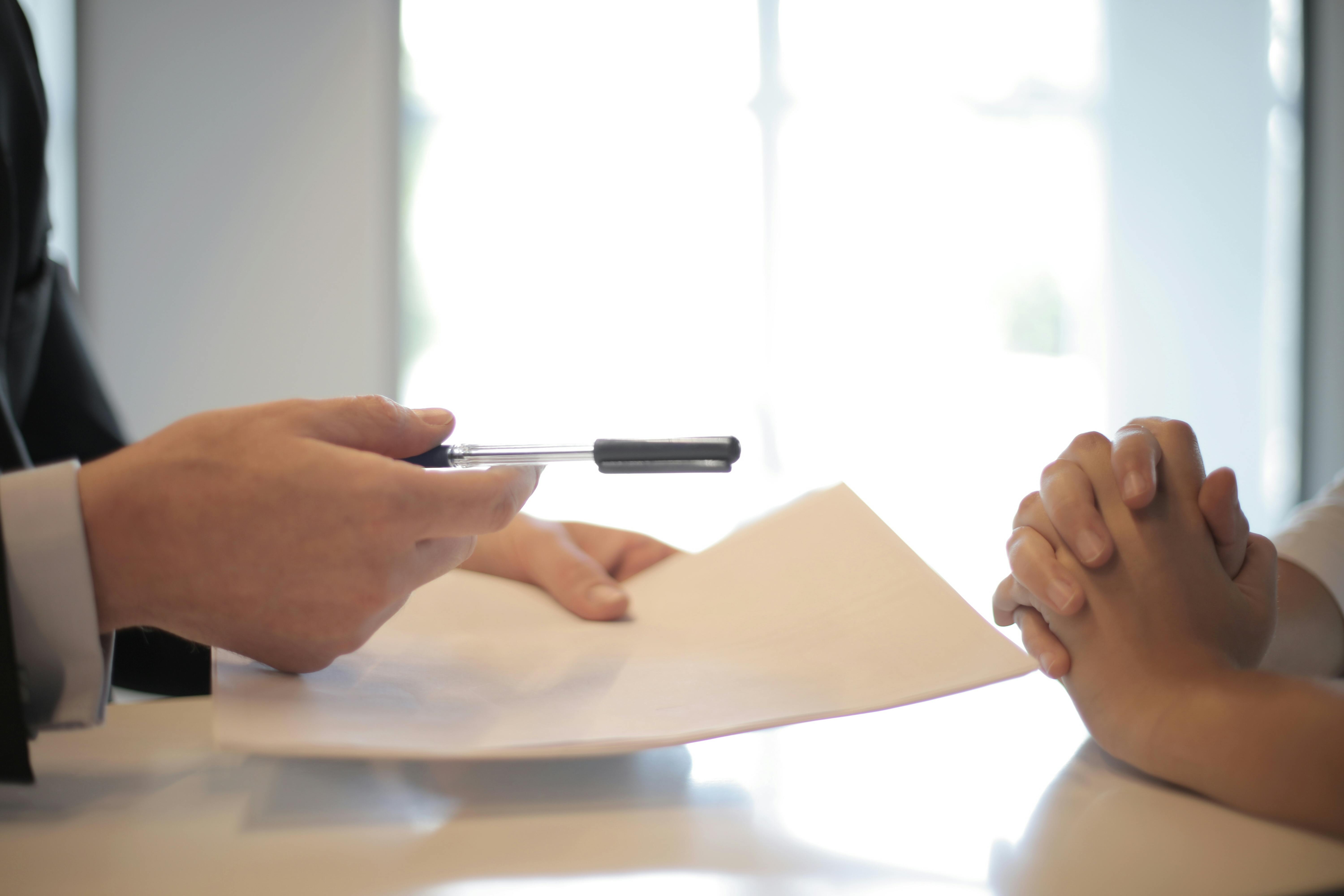
Deep, rhythmic breathing is the fastest way to signal safety to your nervous system.
Preparation as a Shield: The Power of Knowledge
Anxiety thrives on uncertainty. The more "unknowns" you remove, the less room fear has to grow. Experts suggest that 70% of interview anxiety stems from the fear of being "caught" not knowing an answer. You combat this with Active Preparation.
Don't just read the job description; dissect it. Use the STAR method (Situation, Task, Action, Result) to map out five core stories from your career. When you have pre-loaded stories, your brain doesn't have to scramble for data while under the influence of adrenaline.
| Anxiety Trigger | Logic-Based Fix | Resulting Mindset |
|---|---|---|
| Fear of a "hard" question | Prepare a "I'll get back to you" script | I don't have to be perfect. |
| Fear of silence | Practice the "Think out loud" technique | Silence is a thinking tool. |
| Fear of judgment | Remember: They *want* you to be the one | This is a mutual fit check. |
| Fear of tech failure | Run a test call 30 mins prior | I am prepared for the medium. |
Biological Resets: Stopping the Panic Spiral
If you feel a panic attack rising in the lobby or 10 minutes before the link goes live, use the Physiological Sigh. It’s a double-inhale followed by a long exhale. It’s a direct hack into the Vagus nerve that lowers heart rate almost instantly.
Also, watch your caffeine intake. Many people drink an extra cup of coffee for "energy," but caffeine mimics the physical symptoms of anxiety (jittery hands, racing heart). In 2026, many high-performers are switching to L-Theanine or herbal teas on interview days to maintain focus without the "jitters."
Digital Interviews: Managing Remote Anxiety
The transition to virtual-first hiring has brought a new kind of stress: "Zoom Fatigue" and "Tech Panic." To manage this, curate your environment. Ensure your background is clean and your lighting is front-facing. When you look professional on the screen, you feel more authoritative.
For more technical guides on optimizing your remote workspace or learning the latest digital tools, explore the resources at Guru4Guru. Staying updated on the tech being used for interviews can remove a massive layer of background stress.
The Reality Check: Limitations of "Perfect" Calm
We need to be honest: a little anxiety is actually good. It keeps you sharp, focused, and shows the interviewer that you actually care about the role. The goal isn't to be a robot; it's to be a human who is "comfortably nervous."
The limitation of any "hack" is that it doesn't replace the need for genuine experience. If you are radically underqualified, your anxiety is a logical signal. However, if you've been invited to the table, the expert consensus is that you belong there. Balance your breathing with the fact that you’ve already passed the first filter.

The feeling of relief after an interview is great—but the feeling of control during it is better.
Frequently Asked Questions
Final Verdict
Managing anxiety is a skill that improves with exposure. Treat every interview—even the ones you don't want—as a "gym session" for your nerves. By using biological resets, tactical preparation, and maintaining a logical perspective, you can turn your pre-interview jitters into a focused, professional energy. Go get that job.
For more career growth strategies and digital life hacks, keep an eye on Guru4Guru for the latest 2026 updates.



0 Comments