

How to Get Rid of Acne Scars Naturally at Home: 8 Dermatologist-Backed Remedies
Real science for real skin. No miracle cures—just evidence-based natural treatments that gradually fade marks and improve texture.
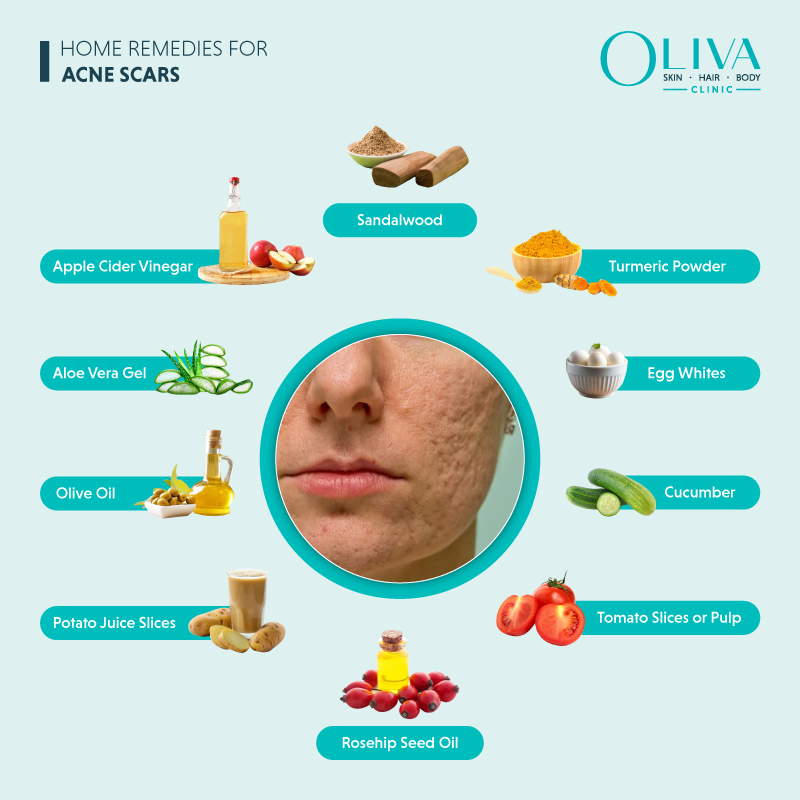
Natural ingredients like aloe vera, honey, and rosehip oil offer science-backed pathways to fading acne scars without harsh chemicals.
Let's cut through the noise: your acne scars didn't appear overnight, and they won't vanish by morning either. But here's the good news—dermatologists confirm that certain natural remedies can genuinely reduce scar visibility over time. The catch? You need the right ingredients, realistic expectations, and the patience to stick with it for 3 to 6 months.
I've dug into actual dermatological research (not Pinterest folklore) to separate what works from what wastes your time. Whether you're dealing with dark purple marks from last month's breakout or textured divots from teenage cystic acne, this guide maps out natural solutions matched to your specific scar type.
📋 Quick Navigation
First, Identify Your Scar Type (This Changes Everything)
Before you slather anything on your face, you need to know what you're treating. Using a hyperpigmentation treatment on a pitted scar is like bringing a knife to a gunfight—wrong tool, wrong battle.
🟤 Post-Inflammatory Hyperpigmentation (PIH)
Flat brown, purple, or red marks left after acne heals. These aren't true scars—they're excess pigment deposits from melanocytes. [^33^] Easiest to treat naturally.
🔴 Post-Inflammatory Erythema (PIE)
Flat red or pink marks, common on lighter skin tones. Caused by damaged blood vessels, not pigment. Fades faster than PIH with proper care.
⬇️ Atrophic Scars (Pitted)
Indented scars: ice pick (deep and narrow), boxcar (broad with sharp edges), or rolling (wavy texture). These involve collagen loss and are the toughest to treat at home. [^41^]
⬆️ Hypertrophic/Keloid Scars
Raised, firm scars caused by excess collagen production during healing. More common on chest, back, and jawline. Natural treatments have limited impact here.
The Science: How Natural Remedies Actually Work
Natural acne scar treatments operate through three primary mechanisms:
- Cell turnover acceleration: Ingredients like AHAs and retinoids speed up skin shedding, pushing pigmented cells to the surface faster where they flake away. [^41^]
- Collagen stimulation: Compounds like vitamin C and rosehip oil trigger fibroblast activity, gradually rebuilding the structural support that pitted scars lack. [^32^]
- Melanin inhibition: Natural brighteners interrupt the enzyme tyrosinase, which produces excess pigment in dark marks. [^33^]
📊 The Timeline Reality Check
8 Evidence-Based Natural Remedies Ranked by Effectiveness
Raw Honey (Manuka Preferred)
Strong EvidenceHoney isn't just a sweetener—it's a legitimate wound-healing agent. Studies show honey speeds wound healing and reduces scar formation when applied early. [^40^] Its antibacterial properties fight P. acnes bacteria, while its anti-inflammatory compounds calm angry skin.
Best for: Fresh scars, active acne prevention, and maintaining skin hydration during healing.
How to use: Apply a thin layer of raw or Manuka honey to clean skin. Leave for 20-30 minutes, then rinse with lukewarm water. Use daily or mix with cinnamon powder (1 tsp honey + 1/2 tsp cinnamon) for enhanced antibacterial action. [^38^]
Aloe Vera Gel
Strong EvidenceResearch published in the Annals of Plastic Surgery demonstrated that aloe vera applied directly to wounds significantly reduced inflammation and scar tissue size. [^38^] The gel contains polysaccharides that stimulate skin regeneration and compounds that suppress inflammation.
Best for: Red, inflamed scars and sensitive skin types that react poorly to acids.
How to use: Harvest fresh gel from an aloe leaf or use pure organic aloe vera gel (check the label—many products contain more water than aloe). Apply to scars twice daily. For enhanced results, mix with 2-3 drops of tea tree oil, but limit contact to 1-2 minutes if your skin is sensitive. [^35^]
Rosehip Seed Oil
Strong EvidenceThis isn't your grandmother's face oil. Rosehip seed oil contains natural vitamin A compounds (retinoids) and essential fatty acids that promote cell turnover and collagen production. [^40^] A clinical study showed it reduced discoloration in postsurgical scars, suggesting legitimate scar-fading capability. [^41^]
Best for: Atrophic scars, hyperpigmentation, and aging skin that needs collagen support.
How to use: Massage 2-3 drops into scarred areas morning and night. It's non-comedogenic, so it won't clog pores. Consistency matters—this is a marathon, not a sprint.
Black Seed Oil (Nigella Sativa)
Moderate EvidenceBlack seed oil brings triple-threat properties: antibacterial, antiviral, and anti-inflammatory. [^40^] Studies indicate it can even out skin pigmentation, increase healing speed, and reduce scar formation. Some research suggests it may even prevent new acne from forming.
Best for: Hyperpigmentation, inflammatory acne scars, and preventing new breakouts.
How to use: Apply a small amount to affected areas once daily. The oil has a strong scent, so you might prefer using it at night. Always patch test first—it's potent stuff.
Vitamin C (Topical Serums)
Strong EvidenceVitamin C is the gold standard for fading dark marks. It regulates melanin production, protects against UV damage (which worsens scars), and stimulates collagen synthesis. [^34^] Look for stable forms like magnesium ascorbyl phosphate or L-ascorbic acid in concentrations between 10-20%.
Best for: PIH (brown/purple marks), sun-damaged scars, and anti-aging benefits.
How to use: Apply vitamin C serum to clean, dry skin every morning. Follow with SPF 30+ sunscreen—non-negotiable. Vitamin C makes skin photosensitive, so skipping sunscreen actually worsens your scars. [^39^]
Lactic Acid (AHA)
Moderate EvidenceLactic acid, a gentle alpha-hydroxy acid found in fermented foods and diluted apple cider vinegar, acts as a mild chemical peel. [^41^] A small study showed that 92% lactic acid improved ice pick scars by over 75% in one participant, with most seeing 26-75% improvement. [^41^]
Best for: Textured scars, rough skin texture, and PIH on non-sensitive skin.
How to use: Start with a 5-10% lactic acid product once weekly. Gradually increase to 2-3 times weekly as tolerated. Never use on active breakouts or irritated skin. Always follow with moisturizer and morning sunscreen.
Apple Cider Vinegar (Diluted)
Limited EvidenceACV contains acetic acid and natural AHAs that exfoliate dead skin cells and may lighten dark marks over time. [^42^] Its antibacterial properties also help prevent new acne. However, dermatologists caution that direct application can cause chemical burns.
Best for: Oily skin with PIH, and as a weekly toner for acne prevention.
How to use: Mix one part raw, unfiltered ACV with two parts water. Add a teaspoon of honey for soothing properties. Apply with a cotton pad to scarred areas for 10-15 minutes, then rinse. Use once daily maximum, and discontinue if stinging persists. [^42^]
Natural Retinoids (Rosehip & Bakuchiol)
Moderate EvidencePrescription retinoids like tretinoin are dermatology's powerhouse for scar remodeling, but natural alternatives exist. Rosehip oil contains trans-retinoic acid, while bakuchiol (from the babchi plant) offers retinol-like effects without the irritation. [^36^]
Best for: Atrophic scars, fine lines, and improving overall skin texture.
How to use: Apply rosehip oil nightly, or use a bakuchiol serum (0.5-1%) as a gentler alternative to prescription retinoids. Start 2-3 times weekly and build tolerance. Never use during pregnancy without medical guidance.
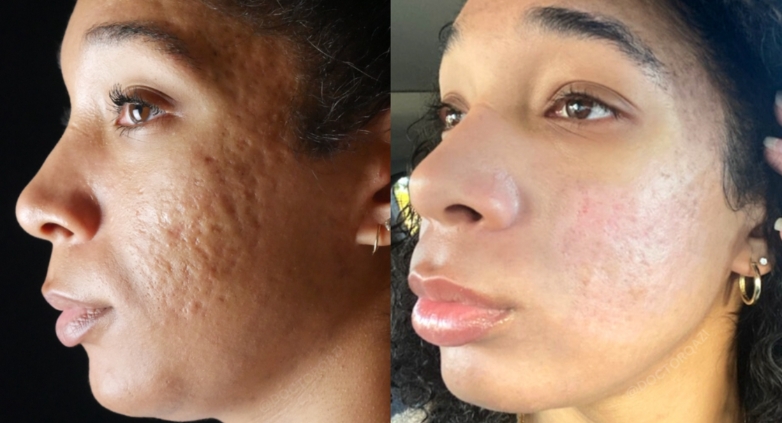
Consistent natural treatment over 3-6 months can produce visible improvements in acne scar appearance, particularly for post-inflammatory hyperpigmentation.
DIY Application Routines That Maximize Results
The Morning Defense Protocol
- Cleanse with a gentle, pH-balanced cleanser
- Apply vitamin C serum (wait 2 minutes for absorption)
- Moisturize with aloe vera gel or lightweight moisturizer
- Apply broad-spectrum SPF 30+ sunscreen—this isn't optional. UV exposure darkens scars and undoes all your progress. [^32^]
The Evening Repair Routine
- Double cleanse (oil cleanser first, then water-based)
- Apply lactic acid treatment (2-3 times weekly only) OR retinoid/rosehip oil (alternate nights)
- Spot-treat scars with honey or black seed oil
- Seal with rosehip oil or moisturizer
The Weekly Intensive Mask
Mix 2 tablespoons raw honey + 1 teaspoon turmeric powder + 1 teaspoon plain yogurt. Apply to clean face, leave for 15 minutes, rinse with cool water. Turmeric's anti-inflammatory compounds complement honey's healing properties. [^35^]
📈 Natural Remedy Effectiveness by Scar Type
Note: Percentages represent realistic improvement potential with consistent 3-6 month natural treatment. Individual results vary based on skin type, scar age, and consistency.
The Honest Limitations (Read This Before You Start)
I'm not here to sell you a fantasy. Natural remedies have real boundaries, and understanding them saves you months of frustration.
Atrophic scars are structural. When acne destroys collagen and creates indentations, topical treatments can only stimulate limited collagen rebuilding. Dr. Jeremy Fenton, a medical dermatologist at Schweiger Dermatology Group, puts it bluntly: "I do not know of any home remedies that will give sustained results for atrophic scars." [^33^]
Timeframes are long. Natural treatments require 3-6 months of daily consistency before judging results. If you need clear skin for a wedding next month, book a dermatologist appointment instead.
Some "natural" ingredients are risky. Lemon juice gets recommended constantly, but dermatologists warn against direct application. Its high acidity can cause chemical burns, photosensitivity, and paradoxical hyperpigmentation—especially on darker skin tones. [^37^] If you use it, dilute heavily and never go in the sun afterward.
Microneedling rollers at home are questionable. Those derma rollers you see on TikTok? Dr. Fenton notes that "no reliable data exists to prove such claims" for at-home microneedling devices. [^33^] Improper sterilization can also introduce infection.
- Scars significantly impact your confidence or mental health
- Zero improvement after 6 months of consistent natural treatment
- You have deep atrophic scars (ice pick, boxcar, rolling)
- You develop hypertrophic or keloid scars
- You're experiencing active, severe acne alongside scarring
Video: Dermatologist Explains Acne Scar Types & Treatments
Dr. Davin Lim breaks down simple at-home acne scar treatments and explains when professional intervention becomes necessary.
FAQ: Real Questions from Real People
Related Resources
Looking for ways to manage stress that might be triggering your breakouts in the first place? Explore our guide on mental wellness and mindfulness practices at MindUnplug. Chronic stress elevates cortisol, which worsens acne—addressing the root cause helps prevent future scars. For more on building healthy daily routines that support skin health from the inside out, check out their resources on holistic lifestyle optimization.
🌟 Start Your Scar-Fading Journey Today
Natural acne scar treatment isn't about overnight miracles—it's about consistent, informed care that respects your skin's healing timeline. Pick two ingredients from this list (one for morning, one for evening), commit to 90 days, and document your progress with weekly photos.
Remember: Your skin regenerates completely every 27 days. Give it 3-6 cycles to show you what's possible.
Choose Your First Treatment📚 Sources & Medical References
This article references peer-reviewed research, clinical dermatology guidelines, and expert commentary from board-certified dermatologists. Key sources include: Annals of Plastic Surgery (aloe vera wound healing study), Schweiger Dermatology Group clinical guidance, Medical News Today dermatological reviews, and the American Academy of Dermatology treatment protocols.
Medical Disclaimer: This content is for informational purposes only and does not constitute medical advice. Consult a board-certified dermatologist for personalized treatment recommendations, especially for severe or persistent scarring.
Last updated: November 2024. Reviewed for accuracy against current dermatological literature.



0 Comments