

Podcasting for Beginners: Start With No Audience
If you want to start a podcast but no one knows your name yet, that can feel like the biggest barrier. The good news is that learning how to start a podcast from home with no audience is less about being famous and more about building a clear, repeatable system. You need a focused idea, listenable audio, a simple publishing routine, and a reason for people to come back.

This guide walks you through the practical steps: choosing your podcast promise, setting up a home recording space, planning early episodes, publishing correctly, and growing from zero without pretending success happens overnight.
Quick Answer
To start a podcast from home with no audience, choose a specific listener, plan a clear show format, record with basic equipment in a quiet room, publish through a podcast host with an RSS feed, and promote each episode through short clips, communities, guest conversations, and consistent search-friendly titles.
Key Takeaways
- You do not need a large audience to begin; you need a clear topic and a repeatable format.
- Good sound matters more than expensive gear, especially for beginner podcasts.
- Your first episodes should solve specific problems for specific listeners.
- A podcast host and RSS feed help distribute your show to podcast apps.
- Growth usually comes from consistency, useful clips, collaborations, and strong episode titles.
- Start small enough that you can keep publishing without burning out.
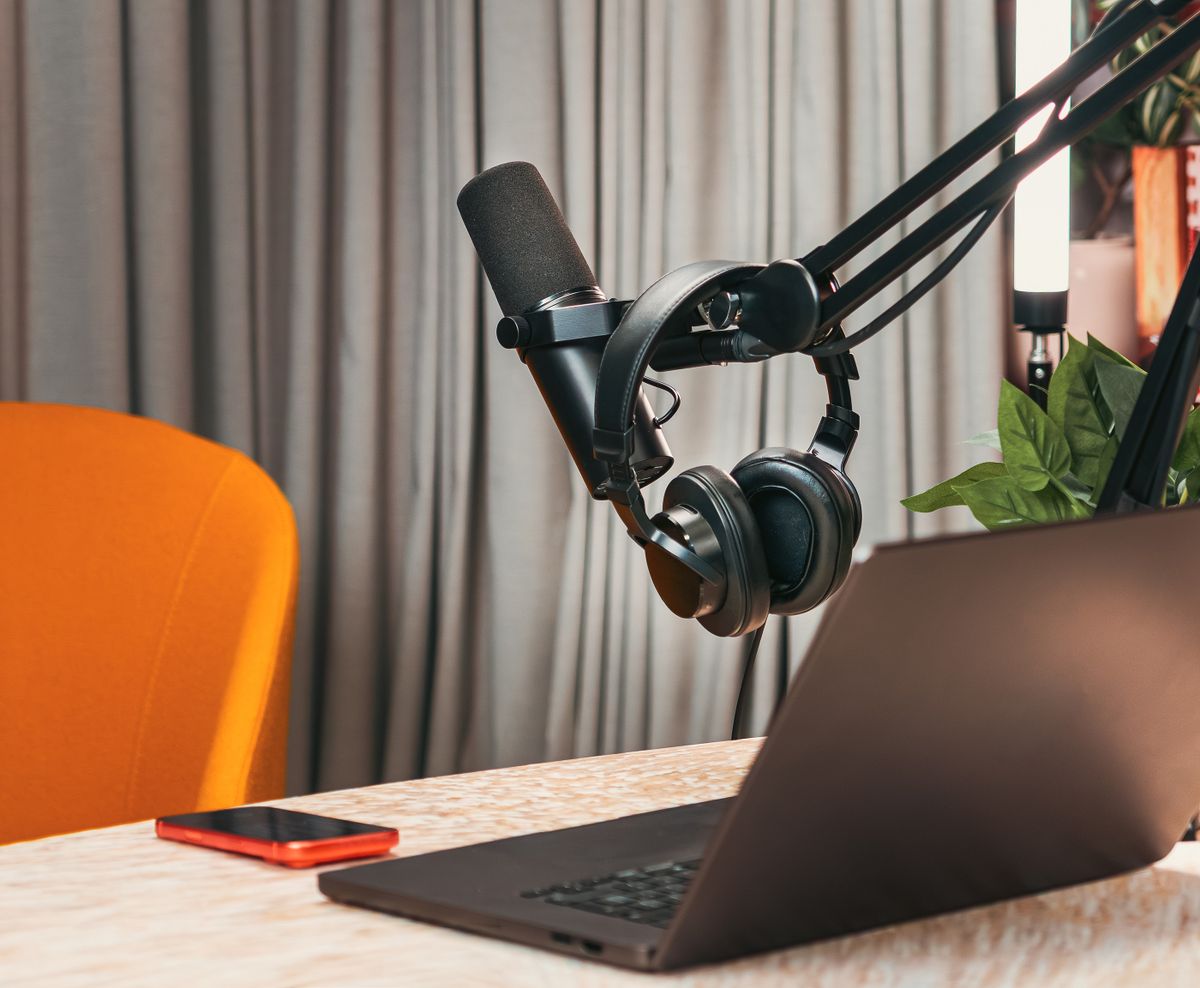
Table of Contents
What Starting a Podcast With No Audience Means
Starting with no audience means you do not already have followers, an email list, a popular website, or a strong social media presence. That is normal. Many podcasts begin with only the host, a topic, and a few early listeners.
The key is to avoid making a show that is “for everyone.” A better approach is to make a show for one clear type of listener. For example, “weekly career advice for new remote workers” is easier to understand than “a podcast about work.” Clear positioning helps people decide quickly whether your show is for them.
Start here: Write one sentence that explains who the podcast helps and what problem it solves. If that sentence feels vague, your audience will feel confused too.
Why Starting Small Can Work
A small start gives you room to improve without pressure. You can test your format, improve your voice, learn basic editing, and understand what listeners actually respond to. This is similar to building any online project: clarity and consistency usually matter more than a perfect launch. If you are also exploring online income ideas, this guide on how to start a side hustle can help you think about the bigger strategy.
Podcasting is also search-friendly when you structure episodes well. Clear titles, helpful descriptions, show notes, transcripts, and clips can make every episode easier to discover through search engines, podcast apps, YouTube, and social platforms.
How to Start a Podcast From Home With No Audience
Step 1: Choose a specific listener and promise
Before buying gear, decide who you are helping. A podcast about “business” is too broad. A podcast about “simple online business systems for beginners with full-time jobs” is easier to market.
Use this simple formula: “My podcast helps [type of person] learn [specific result] without [common problem].” For example, “My podcast helps new freelancers find better clients without feeling pushy.”
Step 2: Pick a format you can repeat
Choose a format that fits your time and confidence. Solo episodes are simple and fast. Interviews can help you borrow trust from guests, but they require scheduling. Co-hosted shows feel natural, yet they depend on another person’s availability.
If you have no audience, a strong beginner format is a 15–25 minute solo episode with one clear lesson. You can add interviews later when your workflow feels stable.
Step 3: Build a basic home podcast setup
You do not need a studio. Start with a quiet room, a reliable microphone, headphones, and free or low-cost recording software. Soft furniture, curtains, blankets, and bookshelves can reduce echo. Try to record away from fans, traffic, refrigerators, and hard empty walls.
Audio quality matters because listeners forgive simple visuals faster than harsh sound. Audacity, for example, provides noise reduction tools that can reduce steady background noise such as hum or hiss when used carefully. Avoid over-editing, because too much processing can make your voice sound thin or unnatural.
Step 4: Plan your first five episodes before launch
Do not record random thoughts and hope people care. Plan your first five episodes around beginner questions. Each episode should answer one problem clearly.
Good early episode ideas include “common mistakes,” “step-by-step beginner guide,” “what I wish I knew before starting,” “tools you actually need,” and “how to avoid overwhelm.” If staying consistent is hard for you, this guide on how to stay productive may help you create a simple routine.
Step 5: Record, edit, and export clean audio
Record a short test before every episode. Listen for echo, background noise, low volume, or mouth clicks. Speak slightly slower than normal conversation and keep your microphone at a steady distance.
For editing, remove long pauses, obvious mistakes, and distracting noise. Do not remove every breath. A natural voice builds trust. Export in a common audio format recommended by your podcast host.
Step 6: Choose podcast hosting and understand RSS
A podcast host stores your audio files and creates your podcast RSS feed. That feed is what podcast apps use to read your show information and episodes. Apple Podcasts lists technical requirements for RSS-based shows, including required tags, at least one episode, and artwork.
Some platforms also support video podcasts. YouTube Help explains that each YouTube podcast episode is represented by a video, and MP3 files cannot be turned into podcasts directly on YouTube. Spotify for Creators also notes that reaching platforms beyond Spotify may require submitting your show to each service yourself, depending on your hosting setup.
Step 7: Launch without waiting for permission
Your launch does not need to be huge. Publish your first episode, write a clear description, add show notes, and share it where your ideal listener already spends time. Avoid begging strangers to “support my podcast.” Instead, explain the benefit: “I made a 15-minute guide on how beginners can plan their first freelance service.”
Use short clips, quotes, carousels, and written summaries. Turn one episode into multiple pieces of content. If your show helps people improve communication, relationships, or confidence, you can also build natural links to topics like how to make friends when relevant.
Step 8: Grow through usefulness, not noise
At zero audience, every listener matters. Ask early listeners what confused them, what helped them, and what they want next. Invite small guests who have useful experience, not just big names. Join communities with genuine answers before sharing your links.
The better option is to become known for solving one repeated problem. When people trust one episode, they are more likely to try another.
Beginner Podcast Starter Plan
| Stage | What to Do | Simple Goal |
|---|---|---|
| Idea | Choose one listener, one topic area, and one clear promise. | Make the show easy to understand. |
| Setup | Use a quiet room, microphone, headphones, and basic recording software. | Create listenable audio without overspending. |
| Content | Plan five beginner-friendly episodes before publishing. | Avoid random, unfocused recording. |
| Publishing | Use podcast hosting, artwork, descriptions, and an RSS feed. | Make the show available on podcast platforms. |
| Growth | Repurpose episodes into clips, posts, summaries, and guest conversations. | Reach people outside your current circle. |
Helpful Video: Beginner Podcast Setup
This video adds a visual explanation of basic podcast setup choices, especially for creators who prefer seeing the equipment layout before recording.
Common Mistakes to Avoid
1. Starting with a topic that is too broad
Broad topics make your show harder to recommend. Narrow the audience and promise so listeners know why they should subscribe.
2. Buying expensive gear too early
Better gear cannot fix weak planning. Start with clear content and clean audio before investing in a full studio setup.
3. Publishing episodes without clear titles
Titles like “Episode 1: My Journey” rarely attract strangers. Use titles that explain the benefit, such as “How to Choose Your First Podcast Topic.”
4. Ignoring show notes and transcripts
Show notes help listeners scan the episode. Transcripts can also support accessibility and search visibility.
5. Expecting fast growth
Most beginner podcasts grow slowly. Treat the first months as practice, testing, and relationship-building.
6. Using copyrighted music without permission
Only use music you have the right to use. Creative Commons resources can help, but always check the license terms and attribution rules.
Practical Podcast Launch Checklist
- Choose your ideal listener and one clear podcast promise.
- Pick a repeatable format: solo, interview, co-hosted, or short lessons.
- Prepare a quiet recording space with soft surfaces.
- Record a test clip and listen before recording the full episode.
- Plan your first five episode titles and descriptions.
- Create simple square podcast artwork that follows platform guidelines.
- Select a podcast host and check your RSS feed details.
- Write show notes with key points, links, and a simple listener action.
- Repurpose each episode into short clips, social posts, and written summaries.
- Ask early listeners for specific feedback, not just compliments.
What This Guide Can and Can’t Do
This guide gives general podcast planning, recording, publishing, and growth advice. It cannot guarantee downloads, income, sponsorships, rankings, or viral attention. Results vary based on your topic, consistency, audio quality, promotion, competition, and listener demand.
If your podcast involves legal, financial, medical, or sensitive advice, consult qualified professionals and avoid presenting personal opinions as professional guidance. For copyright questions, review platform rules and license terms before using music, clips, or third-party media.
FAQs
Can I start a podcast with no audience?
Yes. You can start with no audience if your show has a clear purpose and solves a specific listener problem. Focus on making each episode useful enough that one listener would share it with another person.
What equipment do I need to start a podcast from home?
You need a quiet space, a microphone, headphones, recording software, and a computer or smartphone. A simple setup can work well if your room is quiet and your content is clear.
How many episodes should I record before launching?
Plan at least five episode ideas before launch, and record two or three if possible. This gives you a small buffer and helps you avoid rushing the next episode immediately after publishing.
How long should a beginner podcast episode be?
A beginner podcast can be 15–30 minutes if the topic is focused. Shorter episodes often work well when each one answers one clear question without unnecessary filler.
Do I need podcast hosting?
Most audio podcasts need hosting because the host stores your files and creates your RSS feed. That feed helps podcast apps read and update your show information.
How do I grow a podcast from zero listeners?
Start by sharing useful clips, writing strong episode titles, joining relevant communities, inviting helpful guests, and asking early listeners for feedback. Growth is usually easier when your show repeatedly solves a clear problem.
Should I make an audio podcast or a video podcast?
Audio is simpler and easier to produce from home. Video can help discovery on platforms like YouTube, but it takes more setup. Start with the format you can publish consistently.
Final Thoughts
Learning how to start a podcast from home with no audience is really about building trust before you build reach. Start with one clear listener, one useful promise, and one repeatable publishing routine. Keep the setup simple, make your audio easy to hear, and turn every episode into content people can discover.
You do not need to sound perfect on day one. You need to start with care, improve with feedback, and keep showing up with episodes that help real people solve real problems.



0 Comments