

This is how we teach a child to read early before Kindergarten
If you’re wondering how to teach a child to read at home before kindergarten, start with one calming idea: your child does not need formal lessons all day. Early reading grows through short daily practice, playful sound games, shared books, letter recognition, and patient repetition. The goal is not pressure. The goal is confidence, curiosity, and a strong foundation.

Kindergarten, reception, nursery, and first-year school expectations vary around the world. Still, most children benefit from the same basics: hearing rich language, noticing sounds in words, understanding that print carries meaning, and slowly connecting letters to sounds.
Quick Answer
To teach a child to read at home before kindergarten, read aloud daily, play rhyming and sound games, teach letter sounds before memorised word lists, practise blending simple sounds, and keep lessons short. Use picture books, alphabet cards, everyday labels, and praise effort instead of rushing fluent reading.
Key Takeaways
- Start with spoken language, stories, songs, and rhymes before worksheets.
- Teach letter sounds gently, not just letter names.
- Use 10–15 minute sessions so your child stays fresh and willing.
- Blend simple sounds like m-a-t only after your child can hear individual sounds.
- Read picture books daily and ask warm questions about the story.
- Avoid pressure, comparison, and long drills.
- Ask a teacher, pediatrician, or speech-language professional if you notice persistent concerns.
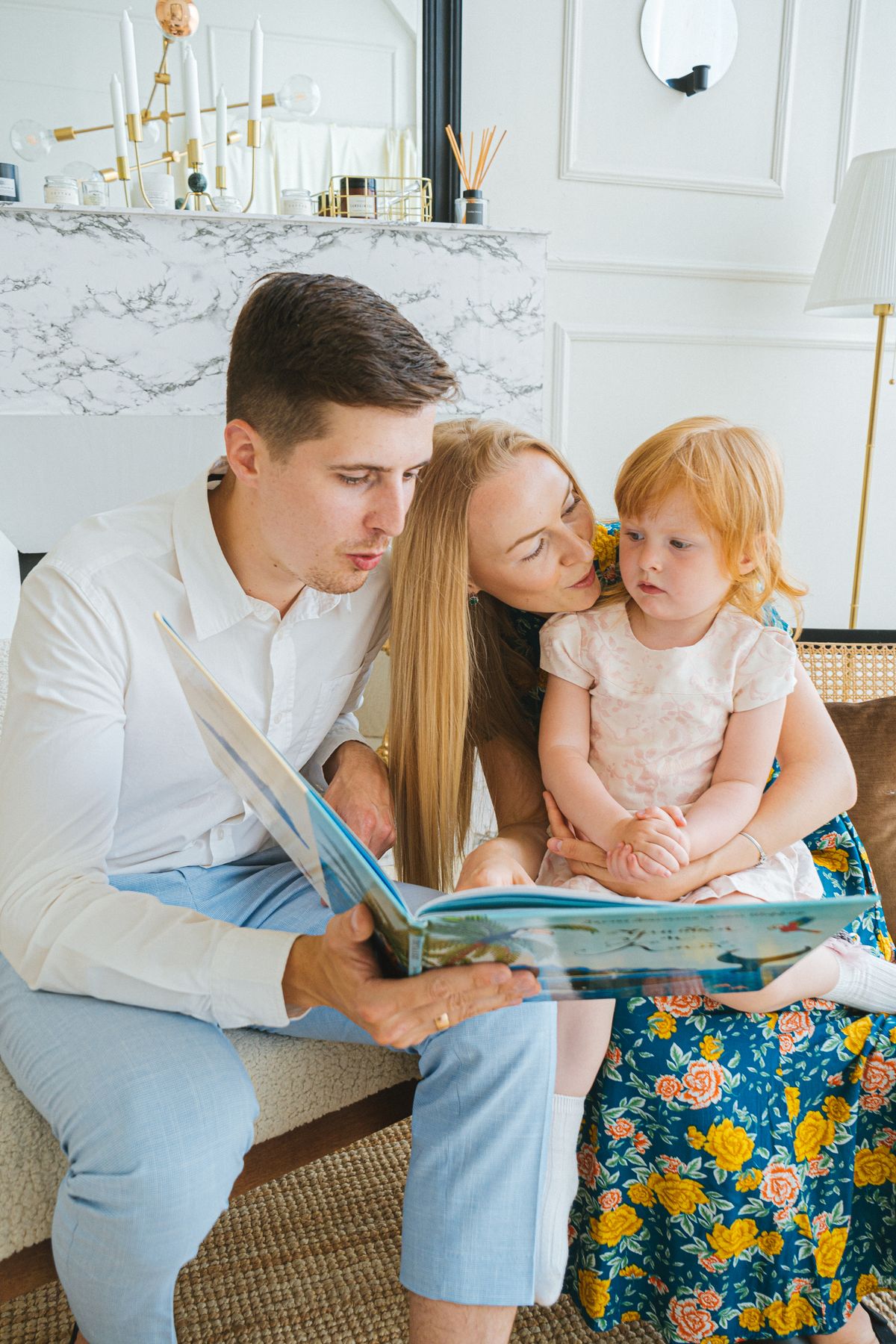
Table of Contents
What Early Reading at Home Means
Teaching a child to read at home does not mean turning your living room into a strict classroom. It means building small reading habits into normal life. You point out words on cereal boxes, clap syllables in names, read bedtime stories, sing rhyming songs, and help your child notice that letters stand for sounds.
Early reading includes several skills working together. Children need oral language, listening attention, print awareness, phonemic awareness, letter knowledge, vocabulary, and early comprehension. The National Reading Panel highlighted phonemic awareness, phonics, fluency, vocabulary, and comprehension as major parts of effective reading instruction.
Simple definition: Phonemic awareness means hearing and working with the individual sounds in spoken words. Phonics means connecting those sounds to letters. A child usually needs both, but sound play can begin before pencil-and-paper lessons.
Why Reading Before Kindergarten Matters
Reading before kindergarten matters because it gives children a smoother start, but it should never become a race. A child who enjoys books, listens to stories, recognises some letters, hears rhymes, and understands simple sound blending enters school with useful tools.
The American Academy of Pediatrics encourages parents and caregivers to read aloud with young children because shared reading supports language, relationships, and early development. UNICEF also notes that reading together builds language skills and creates bonding time. The easier approach is to make books feel normal and pleasant, not like a test.
You can also support learning through daily routines. For example, a calm reading corner, a regular bedtime story, or a short “sound game” after breakfast can work better than one long weekend lesson. If your household is trying to build a broader learning routine, this guide on how to study more effectively may help older children and parents create better habits too.
How to Teach a Child to Read at Home Before Kindergarten: Step-by-Step
Step 1: Read Aloud Every Day
Start with 10 minutes a day. Let your child choose some books, even if they choose the same one repeatedly. Repetition helps children remember story patterns, new words, and sentence rhythm.
While reading, pause and ask simple questions: “What do you think happens next?” “Why is the dog hiding?” “Can you find the big red ball?” Keep it conversational. The aim is understanding, not interrogation.
Step 2: Play With Sounds Before Letters
Before children decode print, they need to hear sounds. Play oral games in the car, kitchen, or bath:
- “What rhymes with cat?”
- “Can you clap the parts in ba-na-na?”
- “What sound starts the word sun?”
- “Say fish without /f/. What is left?”
These games feel light, but they build the sound awareness that reading needs. Reading Rockets offers parent-friendly phonological awareness activities for pre-K children that follow the same idea.
Step 3: Teach Letter Sounds, Not Only Letter Names
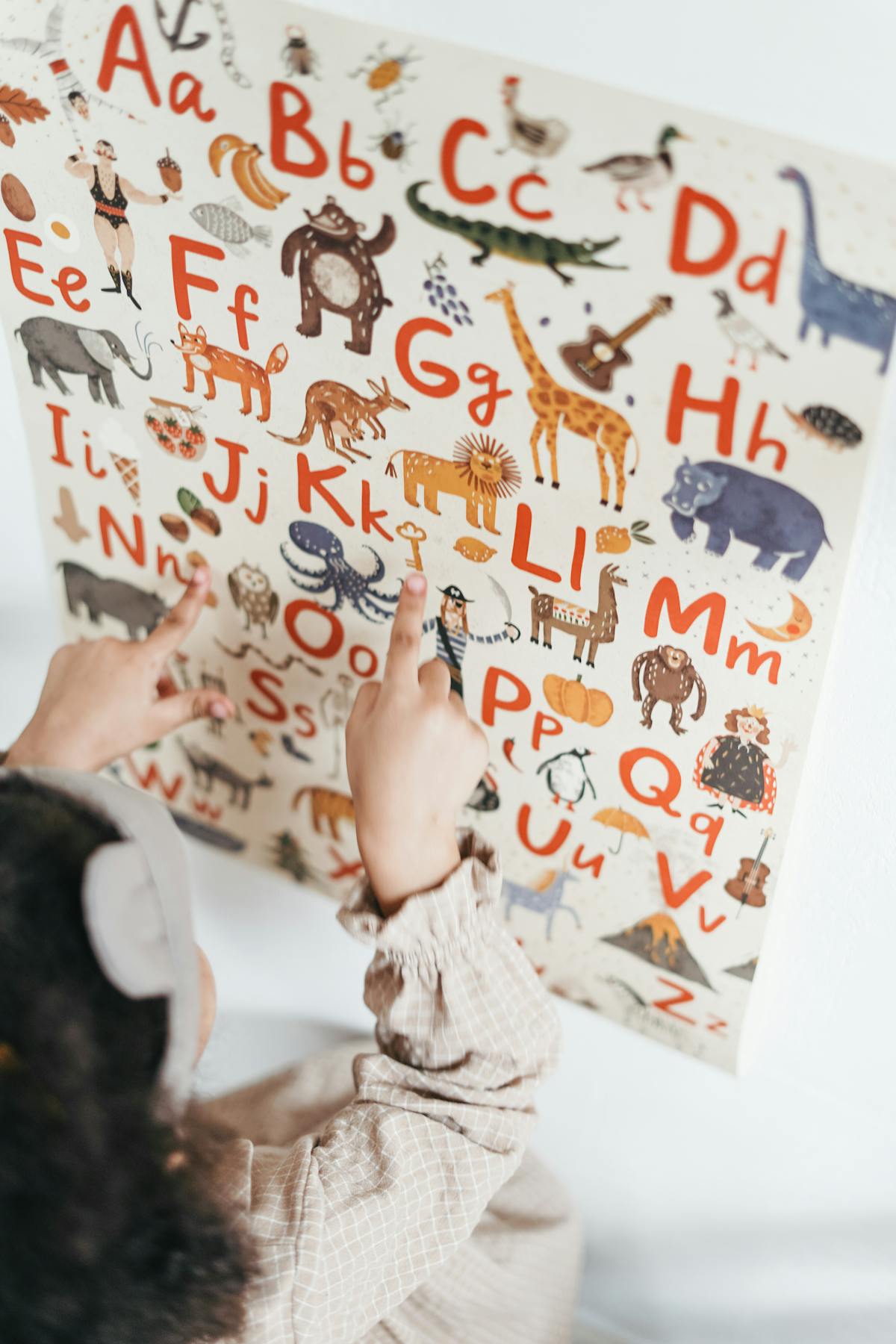
Many children can sing the alphabet but still struggle to read because letter names are not enough. Teach the most common sound for each letter. For example, say “m says /m/ as in moon,” and let your child feel the sound with their lips.
Start with useful letters such as m, s, t, p, a, and c. Once your child knows a few sounds, you can build simple words like mat, sat, and tap.
Step 4: Practise Blending Simple Words
Blending means pushing sounds together to make a word. Show three large letters: m-a-t. Touch each letter and say each sound slowly. Then slide your finger under the word and say “mat.”
Keep the first words short and regular. Avoid tricky words too early. A better option is to use consonant-vowel-consonant words such as sun, map, bed, hop, and sit.
Step 5: Build Vocabulary Through Real Conversation
Reading is not only sounding out words. Children also need to know what words mean. Talk during normal activities: cooking, walking, shopping, cleaning, gardening, or travelling. Use rich but clear words: “That tower is enormous,” “The soup is steaming,” or “The kitten is curious.”
If motivation becomes hard, especially with older siblings or busy family routines, these practical ideas on how to stay motivated can help you keep habits realistic instead of perfect.
Simple Weekly Reading Plan
You do not need a complicated curriculum. A repeatable weekly rhythm is easier for most families.
| Day | Focus | Simple Activity | Time Needed |
|---|---|---|---|
| Monday | Read aloud | Read one picture book and discuss the pictures. | 10–15 minutes |
| Tuesday | Rhyming | Play “real or silly rhyme” with cat, hat, and zat. | 5–10 minutes |
| Wednesday | Letter sounds | Pick two letters and find objects that start with those sounds. | 10 minutes |
| Thursday | Blending | Blend three simple words with letter cards. | 5–10 minutes |
| Friday | Vocabulary | Choose three new words from a story and use them in sentences. | 10 minutes |
| Weekend | Choice reading | Visit a library, reread favourites, or let your child “read” pictures. | Flexible |
Helpful Video: Phonological Awareness for Preschool Reading
This educational video gives a visual explanation of phonological awareness, a key pre-reading skill for children before formal reading lessons.
Common Mistakes to Avoid
A common mistake is trying to move too fast. Reading grows best when the child feels safe, successful, and curious. Here are the mistakes that cause the most frustration.
- Starting with long worksheets: Young children learn better through talk, play, and short practice.
- Teaching only letter names: Letter sounds are essential for decoding simple words.
- Using too many sight words too early: Some high-frequency words help, but phonics should not disappear.
- Correcting every mistake sharply: Gentle feedback keeps confidence intact.
- Comparing siblings or classmates: Children develop at different speeds.
- Reading only “lesson books”: Fun picture books build love, vocabulary, and attention.
- Ignoring tiredness: Stop before your child becomes upset. Tomorrow is another chance.
Practical Parent Checklist
Use this checklist for a simple, low-stress reading routine.
- Read aloud for 10 minutes most days.
- Keep books where your child can reach them.
- Play one rhyming or sound game daily.
- Teach one or two letter sounds at a time.
- Practise blending only when your child is ready.
- Use magnetic letters, cards, sand, paper, or finger tracing.
- Ask warm story questions, not test-style questions.
- Praise effort: “You listened carefully to the sounds.”
- Stop while the mood is still positive.
When to Get Help or Expert Advice
This guide can help you support early reading at home, but it cannot diagnose learning, hearing, speech, vision, or developmental concerns. If your child avoids speech sounds, struggles to understand simple directions, does not respond to sound, has unclear speech for their age, or becomes highly distressed around books, consider asking a qualified professional.
You can start with a kindergarten teacher, early years educator, pediatrician, speech-language therapist, or local child development service. Calm support is better than waiting in silence. If reading practice creates worry in your home, this guide on simple anxiety tips may also help you keep routines gentle and emotionally safe.
What This Guide Can and Can’t Do
This guide gives general educational guidance for families worldwide. It can help you create a reading-friendly home, choose practical activities, and avoid common pressure-based mistakes. It cannot guarantee that every child will read before kindergarten, and it should not replace advice from qualified education, speech, medical, or developmental professionals.
FAQs
What age should I start teaching my child to read?
You can start early literacy from babyhood by reading aloud, singing, talking, and pointing to pictures. Formal decoding can wait until your child shows interest in letters, sounds, and words.
Should my child read fluently before kindergarten?
Not necessarily. Many children enter kindergarten still learning letters and sounds. A strong foundation in listening, vocabulary, book handling, rhyming, and sound awareness is often more useful than forced fluency.
Should I teach phonics or sight words first?
Start with sound awareness and simple phonics. A few common sight words can help later, but children need letter-sound knowledge to decode new words instead of memorising everything.
How long should reading lessons be?
For most preschool children, 5–15 minutes is enough. Short, happy, repeatable practice works better than long sessions that end in frustration.
What if my child refuses to practise reading?
Pause formal practice and return to enjoyable books, songs, and playful sound games. Let your child choose books, read in funny voices, and keep the mood relaxed.
Can bilingual children learn to read before kindergarten?
Yes, bilingual children can build early literacy skills. Support strong oral language in one or more languages, read together often, and avoid treating bilingual development as a problem by itself.
What are the best books for early reading?
Choose picture books with clear illustrations, predictable patterns, rhyme, repetition, and topics your child enjoys. Simple decodable books can help once your child begins blending sounds.
Final Thoughts
Learning how to teach a child to read at home before kindergarten works best when you keep it simple: read aloud, talk often, play with sounds, teach letter sounds, and practise blending in tiny steps. You do not need expensive materials or a perfect schedule.
The best reading routine is the one your child can enjoy and repeat. Start with one book today, one sound game tomorrow, and one small success at a time.
Sources
- NICHD: National Reading Panel findings
- Institute of Education Sciences: Foundational Skills Practice Guide
- American Academy of Pediatrics: Early Literacy
- NAEYC: Learning to Read and Write Position Statement
- Reading Rockets: Phonological and Phonemic Awareness Activities
- UNICEF Parenting: How to Teach Your Child to Love Reading
- Raising Children Network: Reading and Storytelling



0 Comments