

Rescue Dog Anxiety Training: A Beginner’s Guide to Building Trust
If your rescue dog hides, shakes, barks, freezes, destroys things, or panics when left alone, you are not failing them.

Learning how to train a rescue dog with anxiety issues starts with patience, safety, routine, and trust. Many rescue dogs need time to understand that their new home is predictable. This guide shows you calm, practical steps to help your dog feel safer without force, fear, or pressure.
Quick Answer
To train a rescue dog with anxiety issues, start with a quiet routine, reward calm behavior, avoid punishment, and use gradual exposure to scary triggers. Keep sessions short, work below your dog’s fear threshold, and ask a veterinarian or qualified behavior professional for help if the anxiety is severe.
Key Takeaways
- Build trust before expecting obedience.
- Use positive reinforcement, not punishment or intimidation.
- Keep training sessions short, calm, and predictable.
- Work below your dog’s fear threshold during exposure training.
- Track triggers such as strangers, noises, handling, crates, or being left alone.
- Get professional help for aggression, panic, self-injury, or severe separation anxiety.
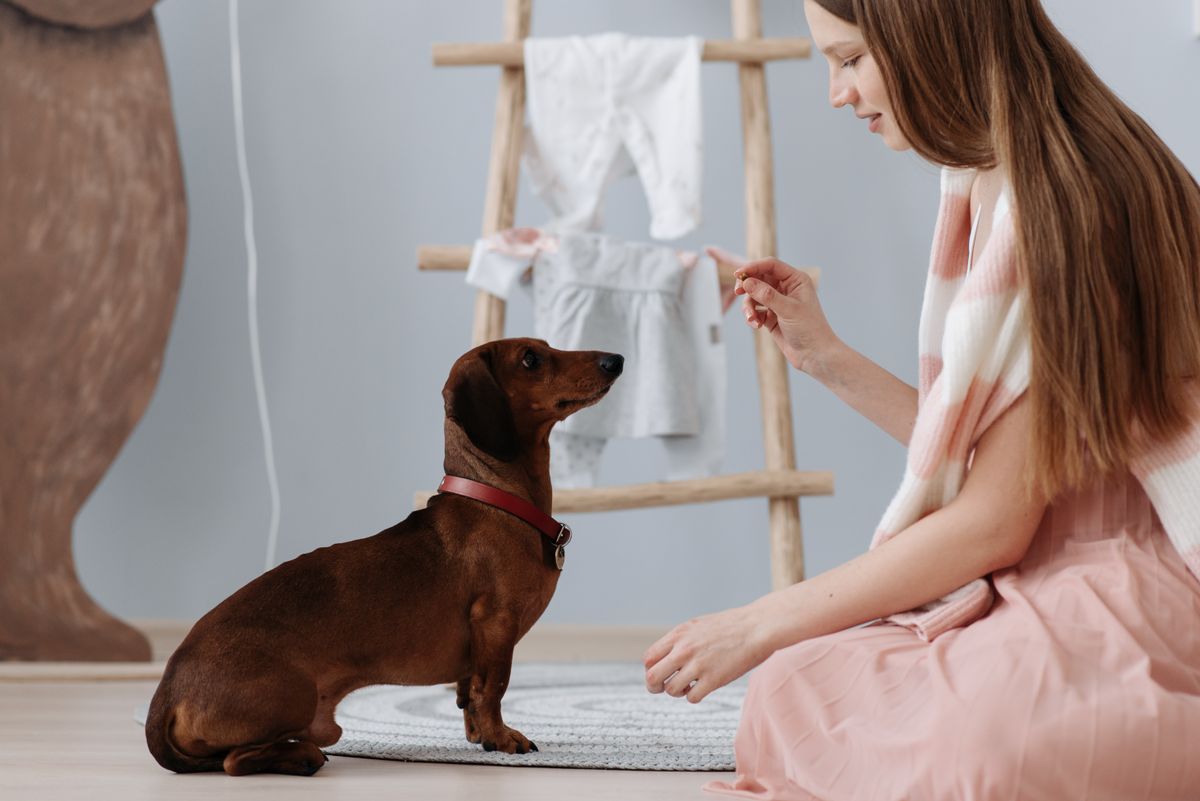
Table of Contents
What Rescue Dog Anxiety Means
Rescue dog anxiety means your dog feels unsafe, worried, or overwhelmed in situations that may seem normal to you. It can happen because of poor socialization, past neglect, sudden change, pain, genetics, repeated stress, or simply because the dog has never learned what to expect in a home.
An anxious rescue dog may pace, pant, drool, tremble, bark, hide, avoid touch, guard resources, refuse food, destroy objects, toilet indoors, or react strongly to people and other dogs. Some dogs shut down instead of acting out. A quiet dog is not always a relaxed dog.
Helpful mindset: Anxiety is not stubbornness. It is an emotional response. Your job is not to “dominate” the dog. Your job is to make good choices easy and scary situations less frightening.
Why Anxiety Changes Training
A confident dog can usually learn basic cues quickly. An anxious dog may struggle because fear uses up attention. When your dog is over threshold, meaning too scared to think clearly, training becomes difficult or impossible.
The better approach is to create small wins. Reward eye contact, soft body language, relaxed breathing, choosing to approach, settling on a mat, or calmly watching a trigger from a safe distance. These moments teach your dog, “I can handle this.”
If you are also managing your own stress while helping your dog settle, simple routines can help. You may find our guide to practical anxiety tips useful for building a calmer daily rhythm at home.
How to Train a Rescue Dog With Anxiety Issues: Step-by-Step
Step 1: Give Your Dog a Safe Landing Period
For the first days and weeks, reduce pressure. Avoid crowded parks, busy guests, forced cuddling, long training drills, or too many new places. Let your dog learn the home layout, feeding routine, sleeping area, and your normal movements.
Set up a safe zone with a bed, water, chew items, and an open exit. This could be a quiet room, corner, or open crate if the dog already likes crates. Never trap a panicking dog in a crate to “teach independence.”
Step 2: Learn Your Dog’s Triggers
Keep a simple notebook. Write down what happened before the anxious behavior. Common triggers include doorbells, men with hats, children running, loud vehicles, handling paws, being alone, food bowls, other dogs, or sudden movements.
Look for early stress signs: lip licking, yawning, turning away, tucked tail, stiff body, whale eye, pinned ears, sniffing the ground suddenly, or refusing treats. Early signs are easier to work with than full panic.
Step 3: Use Positive Reinforcement
Reward the behavior you want to see again. Food treats work well for many dogs, but rewards can also include praise, distance from a trigger, a favorite toy, sniffing time, or permission to move away.
Start with easy behaviors: name response, hand target, “find it,” settle on a mat, and coming when called indoors. Keep sessions around two to five minutes. Stop before your dog gets tired or worried.
Step 4: Practice Desensitization and Counterconditioning
Desensitization means exposing your dog to a trigger at such a low level that they notice it but do not panic. Counterconditioning means pairing that trigger with something pleasant, such as treats or calm praise.
For example, if your dog fears strangers, start far away from people. When your dog sees a person and remains calm, give a treat. Move closer only when your dog stays relaxed over repeated sessions. If your dog barks, lunges, freezes, or refuses food, increase the distance.
Step 5: Build Predictable Daily Routines
Anxious dogs often relax faster when life feels predictable. Feed meals around the same times, use a similar walking route at first, create a calm bedtime routine, and give your dog quiet rest after stressful events.
Consistency matters for owners too. If you struggle to maintain routines, our guide on how to stay motivated can help you build small habits that are easier to repeat.
Step 6: Teach Alone-Time Slowly
For dogs with separation anxiety, leaving for long periods can make fear worse. Start with tiny absences. Pick up your keys, sit down again, step outside for one second, return calmly, and slowly build from there.
Use a camera if possible to see what your dog does when you leave. If your dog panics immediately, ask a veterinarian or qualified behavior professional for a tailored plan.
Helpful Video: Positive Dog Training Basics
This video is useful because it supports calm, positive reinforcement-based training rather than force or punishment.
Simple Training Plan for an Anxious Rescue Dog
Use this plan as a starting point. Adjust the pace based on your dog’s body language. Some dogs move faster. Others need weeks before they feel safe enough to learn new cues.
| Goal | What to Do | What to Watch |
|---|---|---|
| Build safety | Create a quiet safe zone and reduce pressure. | More resting, eating, sniffing, and voluntary approach. |
| Reward calm behavior | Drop a treat when your dog relaxes, settles, or checks in. | Soft eyes, loose body, slower breathing. |
| Teach simple cues | Practice name response, hand target, and “find it.” | Dog takes treats and remains engaged. |
| Reduce fear of triggers | Expose at a low level and pair with rewards. | No barking, freezing, lunging, or treat refusal. |
| Improve alone-time | Use very short departures and return calmly. | Dog remains settled during tiny absences. |
Common Mistakes to Avoid
1. Moving Too Fast
Many owners try to “socialize” a rescue dog by exposing them to too much too soon. A better option is controlled, positive exposure at your dog’s pace.
2. Punishing Fear
Scolding, leash jerks, shock collars, or intimidation may suppress warning signs but increase fear. Reward-based training is safer and more helpful for anxious dogs.
3. Forcing Touch
Some rescue dogs need time before they enjoy petting. Invite contact instead of demanding it. Let your dog move away when they need space.
4. Ignoring Pain or Medical Causes
Pain, digestive issues, skin problems, thyroid concerns, hearing loss, or age-related changes can affect behavior. A veterinary check is wise when anxiety appears severe, sudden, or unusual.
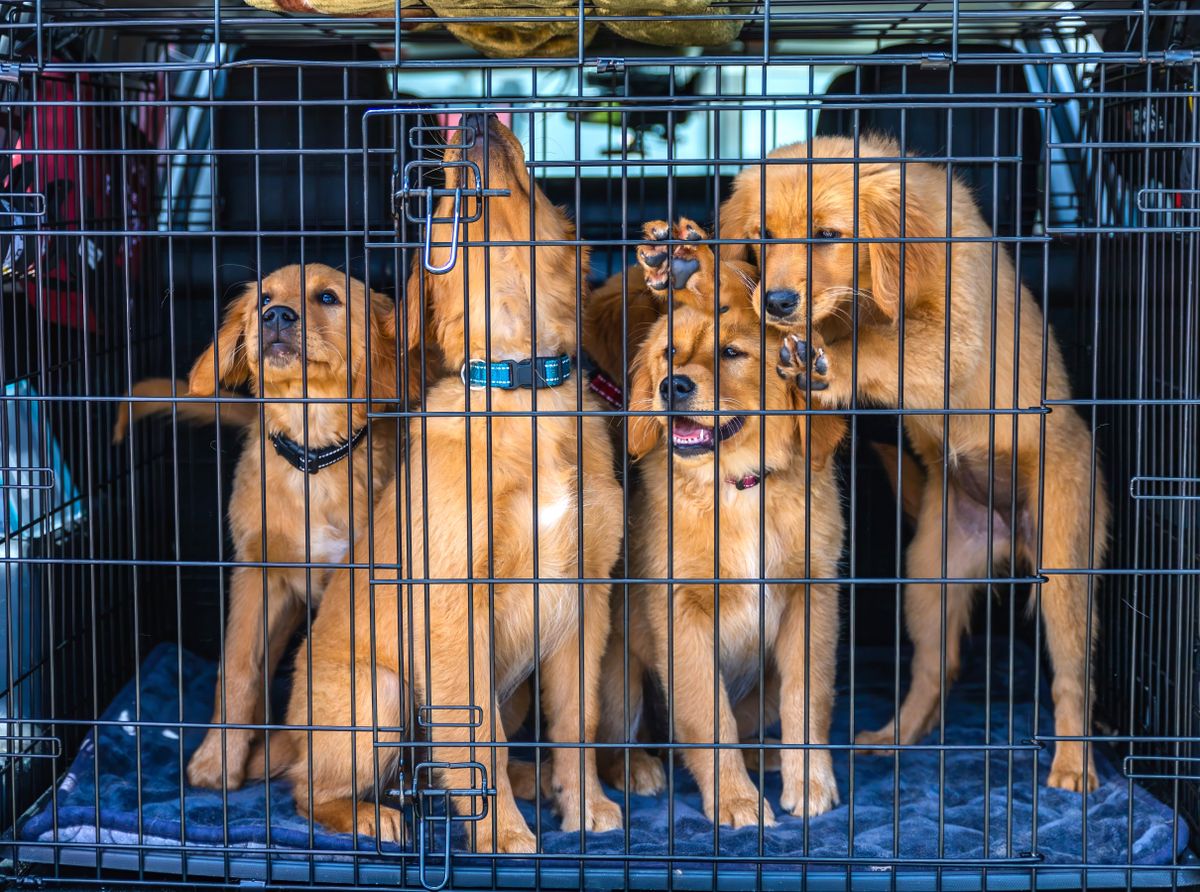
5. Using the Crate as a Solution for Panic
A crate can be a safe den for some dogs, but it can be frightening for others. Introduce it gradually with the door open and never use it as punishment.
6. Expecting a Straight Line of Progress
Progress may come in waves. Storms, visitors, vet visits, or changes at home can cause setbacks. Return to easier steps rather than pushing harder.
Practical Checklist
- Choose a quiet safe zone with water and comfortable bedding.
- Use a harness and leash setup that prevents escape without causing pain.
- List your dog’s top three anxiety triggers.
- Train in two-to-five-minute sessions.
- Reward calm choices immediately.
- Stop training before your dog becomes overwhelmed.
- Use distance as a reward when your dog feels scared.
- Track progress weekly, not hourly.
- Book a vet visit if anxiety is severe, sudden, or linked to possible pain.
When to Get Expert Help
Get professional help if your dog bites, growls frequently, guards resources, injures themselves, panics when alone, refuses food for long periods, or cannot recover after mild triggers. These cases need a careful plan.
Look for a veterinarian, veterinary behaviorist, certified dog trainer, or qualified behavior consultant who uses humane, reward-based methods. Helpful directories include organizations such as IAABC and CCPDT. Avoid anyone who promises instant results or relies mainly on fear, pain, or dominance language.
What This Guide Can and Can’t Do
This guide gives general training and confidence-building advice for anxious rescue dogs. It can help you understand safer first steps, but it cannot diagnose your dog, assess bite risk, prescribe medication, or replace a professional behavior plan.
Every dog has a different history, body, environment, and stress tolerance. If your dog’s anxiety is intense or getting worse, speak with a veterinarian or qualified behavior professional before trying advanced exposure work.
FAQs
How long does it take to train an anxious rescue dog?
Some dogs improve in a few weeks, while others need months of steady support. The timeline depends on your dog’s history, health, triggers, environment, and how consistently you train below their fear threshold.
Should I comfort my rescue dog when they are scared?
Yes, calm support can help. You do not reinforce fear by being kind. Use a soft voice, offer distance, and avoid forcing your dog toward the scary thing.
What is the best training method for a fearful rescue dog?
Positive reinforcement, desensitization, and counterconditioning are usually the safest starting points. These methods focus on changing how the dog feels, not just stopping visible behavior.
Can I crate train a rescue dog with anxiety?
You can, but only if the crate is introduced slowly and positively. For dogs with separation anxiety or confinement panic, closing the crate door too soon can make fear worse.
Why does my rescue dog seem fine one day and scared the next?
Anxiety recovery is not always steady. Sleep, pain, weather, noises, visitors, routine changes, or previous stress can affect your dog’s tolerance. Go back to easier steps when needed.
When should I call a professional?
Call a professional if your dog shows aggression, panic, self-harm, severe separation anxiety, or anxiety that does not improve with gentle training. A qualified professional can create a safer plan for your dog and household.
Final Thoughts
Learning how to train a rescue dog with anxiety issues is less about perfect obedience and more about helping your dog feel safe enough to learn. Start small, reward calm choices, protect your dog from overwhelming situations, and move at a pace they can handle.
The goal is not to rush your rescue dog into being “normal.” The goal is to build trust, confidence, and communication one repeatable step at a time.
Sources
- American Veterinary Society of Animal Behavior: Humane Dog Training Position Statement
- VCA Hospitals: Desensitization and Counterconditioning
- ASPCA: Separation Anxiety in Dogs
- RSPCA: Training Your Dog to Be Left Alone
- Dogs Trust: Separation Anxiety in Dogs
- AAHA: Behavior Management Guidelines
- CCPDT: Certified Dog Trainer Directory



0 Comments